 The Drape Review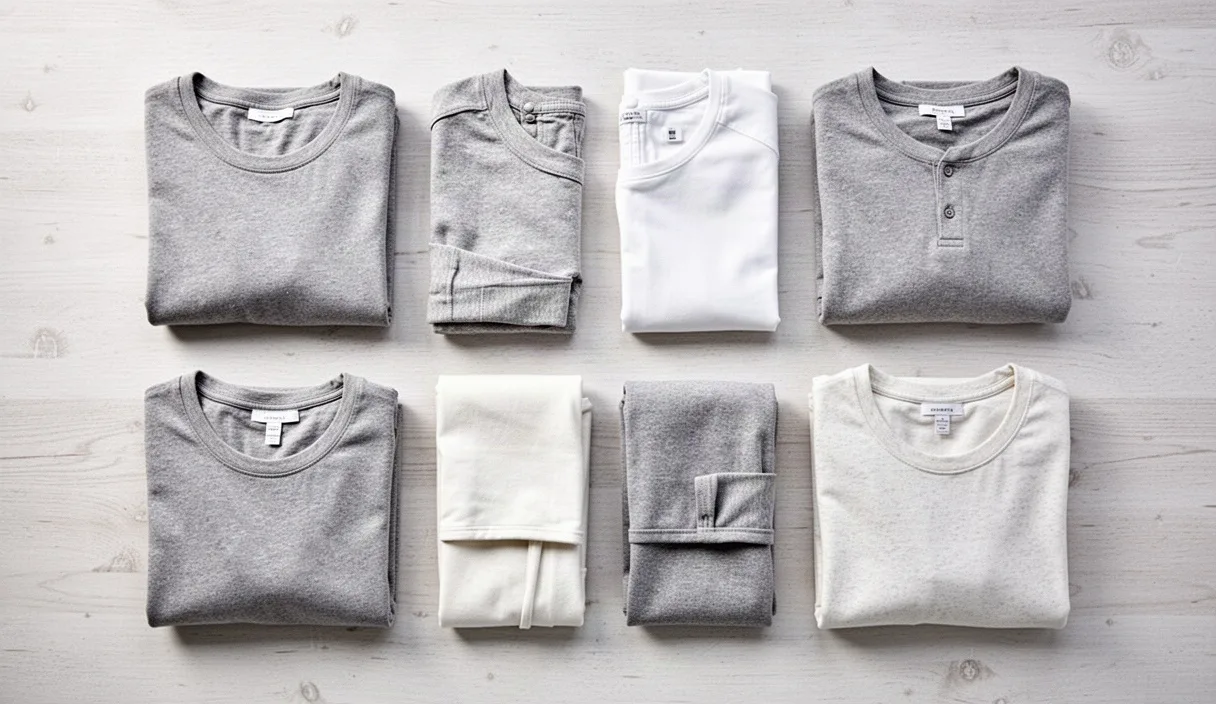
A capsule wardrobe is a defined set of garments, chosen for mutual compatibility, that covers a stated range of uses without duplication. The number 25 is a working constraint, not a universal rule: it forces decisions about fabric weight, color range, and layering logic rather than allowing an open-ended collection. This checklist assumes a temperate climate with four distinct seasons, where winter lows approach freezing and summer highs sit in the upper 80s Fahrenheit (around 30°C).
Each section below lists specific pieces with fabric and fit notes, explains why that piece earns a place in a limited set, and flags where substitutions make sense. The goal is coverage across temperature ranges and basic occasions (work, errands, casual social events), not formal wear, athletic wear, or specialized outerwear for extreme cold, which fall outside this scope and may need separate planning.
What Defines a Capsule Wardrobe
A capsule wardrobe is defined by three conditions: a fixed item count, a restricted color palette (typically 2-4 neutrals plus 1-2 accent colors), and intentional cross-compatibility, meaning most tops can pair with most bottoms without a mismatch in formality or season. If a shirt only works with one pair of pants, it does not meet the compatibility condition and should be reconsidered.
The 25-piece count in this checklist excludes underwear, sleepwear, and single-use items like swimwear. It includes base layers, tops, bottoms, outerwear, shoes, and accessories that get worn in normal rotation. Some capsule systems count shoes and accessories separately; this one includes them because footwear and accessories materially change how many outfits a small set of clothes can produce.
A common point of confusion is mistaking "minimal" for "cheap." A capsule wardrobe can use higher-cost items per piece because the total piece count is lower; the budget is reallocated, not necessarily reduced. Conversely, a 25-piece set built entirely from low-durability fabric will need replacement sooner, which raises cost per wear over a year.
Base Layers and Underpinnings
Base layers sit against the skin or just above it and regulate temperature without adding bulk. For four-season coverage, include a midweight long-sleeve top in merino wool or a wool-synthetic blend (around 180-220 grams per square meter), which functions in winter under sweaters and alone in cool spring or fall weather.
A cotton or cotton-modal short-sleeve base layer in a neutral tone works under blazers or button-downs in warmer months and under heavier layers in winter without adding warmth where it is not needed. Two of these in different neutrals (white and gray, for example) cover most layering needs.
- Midweight merino long-sleeve (1 piece): worn alone in 50-65°F weather, layered under a sweater below 40°F.
- Cotton-blend short-sleeve base layers (2 pieces): one white, one gray or black, for layering under structured pieces year-round.
- Thermal leggings or long underwear bottoms (1 piece): worn under trousers when temperatures drop below 32°F; not a visible garment.
Four pieces from this checklist of 25 go to base layers. This proportion, roughly 16%, reflects their role as temperature regulators rather than visible outfit components; spending disproportionately more here usually means less variety at the outer, visible layer.
Core Tops
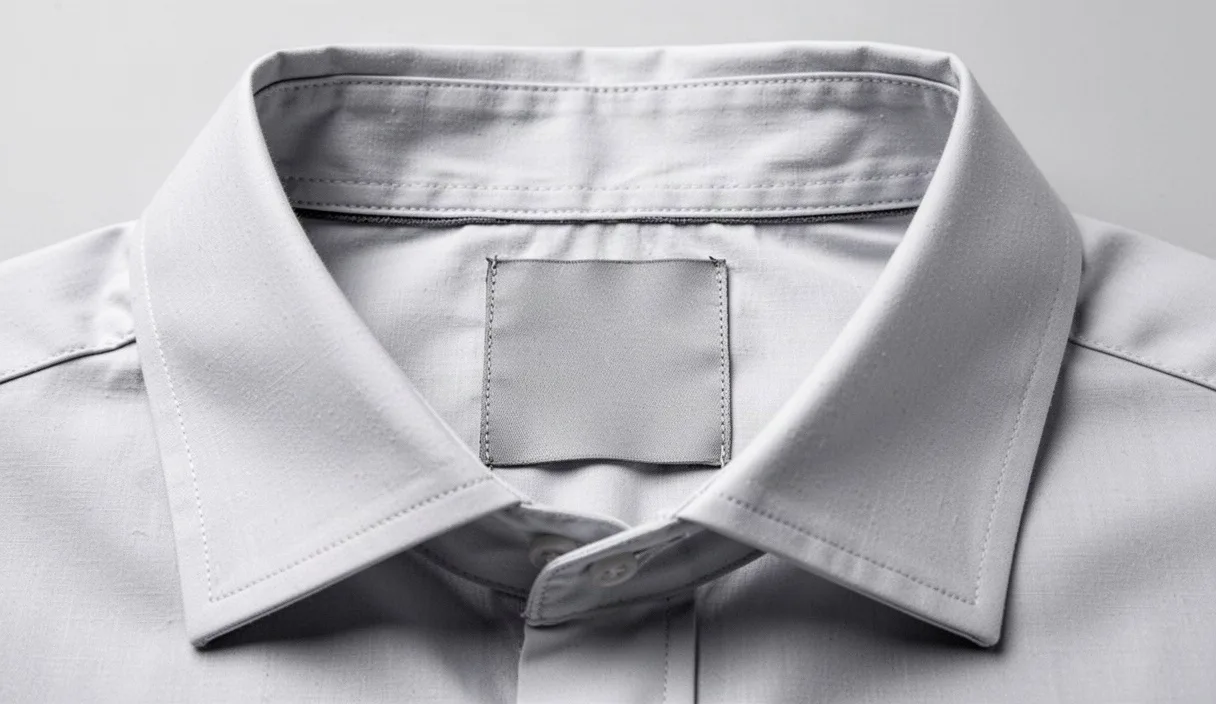
Core tops are the visible layer worn most days, so fit and color flexibility matter more here than in base layers. Include one white button-down shirt in a cotton-poplin or oxford weave, which works with trousers for semi-formal settings and with jeans for casual ones. A chambray or light denim shirt serves as a transitional piece between seasons and pairs with the same bottoms.
Two crew-neck sweaters, one in a lightweight cotton for spring or fall and one in a heavier wool or cashmere blend for winter, extend the temperature range covered by the base layers. A single turtleneck in a fine-gauge knit adds a layering option for cold months without requiring a scarf for warmth.
| Item | Fabric | Primary Season | Pairs With |
|---|---|---|---|
| White button-down | Cotton poplin | All seasons | Trousers, jeans, blazer |
| Chambray shirt | Light denim | Spring, fall | Chinos, dark jeans |
| Lightweight sweater | Cotton | Spring, fall | Trousers, skirts |
| Heavy sweater | Wool/cashmere blend | Winter | Jeans, wool trousers |
| Turtleneck | Fine-gauge knit | Winter | Blazer, wool skirt |
| Short-sleeve blouse | Silk or viscose | Summer | Shorts, skirts, trousers |
Six core tops, combined with the four base layers, give 10 pieces capable of roughly 15-20 distinct upper-body combinations when layering is counted. A short-sleeve blouse in silk or a silk-viscose blend rounds out the set for summer heat, since cotton alone can feel heavy in humid conditions above 85°F.
Core Bottoms
Bottoms should be limited to three or four items precisely because they are harder to layer for temperature than tops are. One pair of dark wash jeans in a mid-weight denim (around 12-13 oz) works across three seasons; a lighter wash or lighter weight denim (under 10 oz) can replace it for summer if the climate runs hot.
A pair of wool-blend trousers in charcoal or navy covers colder months and pairs with the button-down for settings requiring more structure. A chino in khaki or olive, in a lighter cotton twill, extends into spring and early fall when wool trousers run too warm.
- Dark jeans (1 piece): straight or slim-straight cut, worn roughly 3 seasons.
- Wool-blend trousers (1 piece): charcoal or navy, worn fall through winter.
- Cotton chino (1 piece): khaki or olive, worn spring through early fall.
- A-line or straight skirt, midweight (1 piece, optional substitution for one bottom above): knee-length, works with tights in cold months and bare legs in warm ones.
Four bottoms is a practical minimum; fewer than three creates laundry-cycle problems, since a single pair of jeans worn every day wears out roughly twice as fast as two pairs alternated. A household without access to laundry more than once a week should budget a fifth bottom.
Outerwear for Temperature Changes
Outerwear bridges the gap between indoor layering and outdoor conditions, and it is the category most often under-planned in capsule systems. A midweight wool or wool-blend coat, hitting at or below the knee, covers temperatures from about 25°F to 45°F when worn over a sweater. Below 25°F, a wool coat alone is not sufficient insulation for extended outdoor time; a down or synthetic-fill parka is the more reliable choice, and this checklist allocates one slot to whichever matches the coldest expected temperature in a given climate.
A water-resistant shell jacket, ideally with a packable hood, covers rain and wind in spring and fall without the bulk of a winter coat. This is distinct from a raincoat built purely for wet weather; a shell that also blocks wind serves double duty and justifies its slot better than a rain-only garment.
A denim or cotton-twill jacket serves as the lightest outer layer, used on cool summer evenings or as a mid-layer under the shell in early spring. Three outerwear pieces, covering roughly 25°F to 65°F in combination with base and core layers, is the minimum for genuine four-season function; two pieces leaves a gap, usually in the 45-60°F range, that gets filled by awkward improvisation like wearing a winter coat unzipped.
Footwear Essentials
Footwear is where capsule wardrobes most often fail on durability math. A pair of leather sneakers in white or off-white covers casual wear across three seasons but should not be treated as waterproof; in sustained rain they need a water-repellent spray reapplied roughly every two months of regular wear, and even then they are not a substitute for boots in heavy or prolonged wet weather.
A leather ankle boot, preferably with a rubber or lug sole, handles fall and winter, including light snow, though it is not rated for deep snow or ice without added traction devices. One pair of leather loafers or derbies covers settings that call for more polish than sneakers but less bulk than boots; this is the piece most often skipped, which then forces jeans-and-sneakers into situations where it reads as under-dressed.
- Leather sneakers (1 pair): spring through fall, casual settings.
- Ankle boots (1 pair): fall and winter, light precipitation.
- Loafers or derbies (1 pair): year-round, semi-formal to business-casual settings.
- Sandals (1 pair, optional for hot climates): summer only, replaces sneakers on the hottest days.
Four pairs of shoes is workable for climates with a real winter; three pairs is workable only where snow and sustained cold rain are rare. Rotating between at least two pairs, rather than wearing one pair daily, extends the useful life of leather soles and uppers by allowing moisture to fully dry between wears.
Accessories That Extend Versatility
Accessories are the lowest-cost, highest-leverage category in a capsule wardrobe because a single item, like a scarf, changes the apparent formality or seasonal fit of an outfit without altering the garment underneath. A wool scarf in a neutral or accent color adds warmth in winter and a styling point in fall; a lighter cotton or silk scarf can do the same for spring without the bulk.
A leather belt in brown or black, matched to the shoe tones already in the set, is a near-mandatory item for trousers and chinos that have belt loops; skipping it is a common oversight that undercuts an otherwise coordinated outfit. One structured bag, sized for daily carry (laptop or a few books plus essentials), and one smaller bag or clutch for evenings round out the accessory slots without duplicating function.
Three accessory slots, scarf, belt, and bag, is a minimal but functional allotment. Gloves and a winter hat are worth adding in climates where winter lows regularly fall below 20°F, but they sit outside the 25-piece count in this checklist since they are climate-dependent rather than universal.
Common Mistakes
The most frequent mistake is choosing pieces for their individual appeal rather than their compatibility with the rest of the set; a striking patterned shirt that matches only one pair of pants reduces the system's flexibility more than a plain shirt that matches four. A second mistake is neglecting the 45-60°F range, since many shoppers buy for deep winter and high summer and leave a layering gap in between.
A third mistake is treating shoe care as optional; leather shoes without conditioning or polishing roughly every one to two months will crack or dry out well before their expected lifespan, which in well-maintained leather can run several years. A fourth mistake is building the capsule entirely in one color family, which looks cohesive in theory but offers no visual distinction between outfits worn on consecutive days.
Building the List: Practical Next Steps
Start by auditing the closet already in hand and matching existing pieces to the 25 categories above; most people already own 8-12 of these items in some form. Replace or add pieces one category at a time, beginning with outerwear and footwear, since gaps there are the most disruptive to daily function.
Test the set for a full two-week cycle, noting any outfit that required an item outside the 25-piece list; that gap indicates either a missing piece or a mismatch in color or formality among existing items. For questions about fabric care, such as whether a wool coat needs dry cleaning or can be spot-treated at home, check the garment's care label or consult a professional cleaner rather than guessing, since incorrect treatment can shrink or discolor wool and silk permanently.